
World Cardiology Conference 2026
Speakers - wcc2026
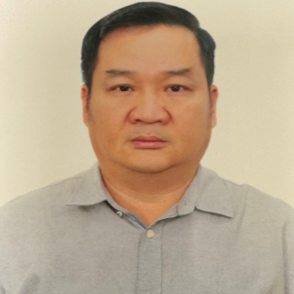
Phan Thao Nguyen
Phan Thao Nguyen
- Designation: Director of the Cardiovascular Center at E Hospital
- Country: Vietnam
- Title: Proactive Coronary Protection Strategy in TAVI The Role of IVUS and Chimney Stenting in High Risk Anatomy
Abstract
Background:
Acute coronary obstruction is a rare but life-threatening complication of transcatheter aortic valve implantation (TAVI), particularly in patients with unfavorable anatomy such as low coronary ostial height and small sinuses of Valsalva. Coronary protection strategies, including the chimney stenting technique and intravascular ultrasound (IVUS) assessment, are critical to mitigating this risk. Case Summaries: We present two elderly patients with severe symptomatic aortic stenosis and high anatomical risk for coronary obstruction as assessed by multi-slice computed tomography (MSCT). Case 1: An 88-year-old female with a left main (LM) ostial height of 11 mm and small sinuses underwent TAVI with an Evolut FX 23 mm valve. Although post-deployment angiography showed TIMI 3 flow, IVUS revealed the native leaflet was displaced to within 4.5 mm of the LM ostium (the "danger zone"). Consequently, a prophylactic LM chimney stent was successfully deployed. Case 2: An 80-year-old male presented with extremely low heights for both coronary arteries (LM: 12 mm, RCA: 11 mm). A bilateral protection strategy was employed. Following valve deployment, the right coronary ostium showed significant narrowing (50-60%) due to leaflet displacement despite maintained flow. A right coronary chimney stent was placed, ensuring long-term patency. Both patients remained hemodynamically stable and were discharged without cardiovascular complications. Conclusion: These cases demonstrate that prophylactic chimney stenting is a feasible and effective strategy for preventing coronary obstruction in TAVI patients with high-risk anatomy. Furthermore, IVUS provides superior diagnostic value compared to angiography alone, enabling precise decision-making in borderline cases where the risk of delayed obstruction exists.
We are delighted to announce the inaugural edition of the World Cardiology Conference (WCC 2026), taking place from November 12 to 14, 2026, as a fully virtual event. The conference offers the flexibility to participate online, bringing together a global community of cardiologists, cardiovascular surgeons, researchers, clinicians, healthcare innovator ...
Read More>>
Organizer
